 EN
 Español
Jaime Valls
About the Artist
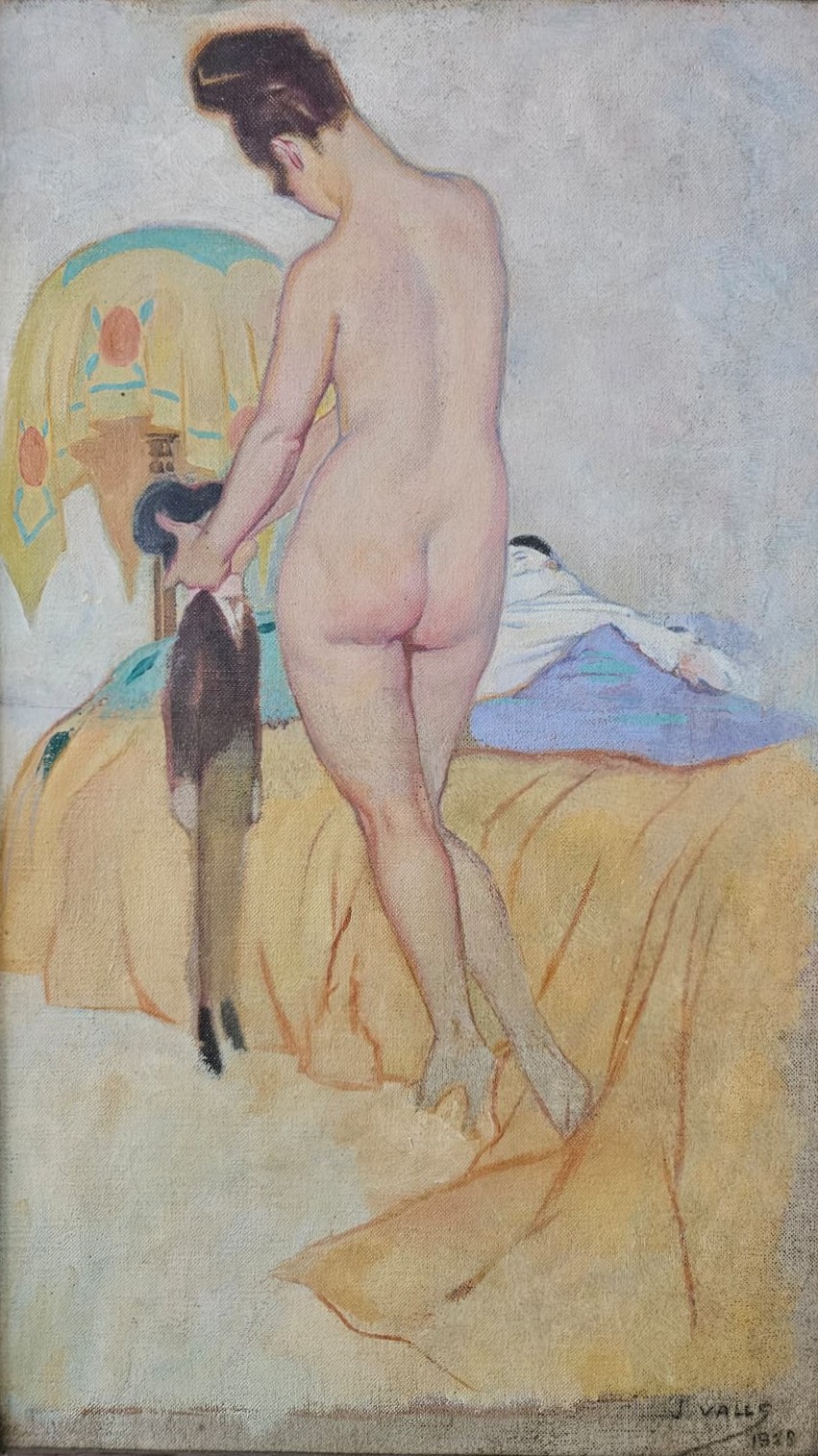
Born in Catalonia in 1883, Valls arrived in Cuba with the birth of the new Republic. He settled in Havana, where his professional career was boosted thanks to the financing of the soap and perfume company Crusellas. His talent opened the doors of poster design, graphic journalism and illustrated propaganda. By 1908 he had already opened his own business, called Estudios Valls, which would bring together young artists of the time. Valls' fame was tremendous. He published works in the most prestigious magazines of the time: Carteles, Social, El Fígaro, etc. In 1910 he won the grand prize in the poster contest organized by the Theater Promotion Society. He joined the Retail Group in 1924 and when he obtained Cuban citizenship, three years later, he embarked on a decisive trip to Europe. Contact with the artistic avant-garde that converged on the old continent radically transformed his aesthetic ideas. Valls returned to the Island with the impressions of a mature artist, and the interest in occupying his work with local themes, approached from his peculiar formal style. He worked on a variant of criollismo focused on the mestizo population and the lowest strata of the social pyramid. On a formal level, his work stands out for the use of a vigorous and sensual line, especially in the treatment of the female figure. His series “Rumberas” attests to this, which revolutionized the graphic art of his time, scandalizing some. His first exhibition, dated 1930, reaffirmed him as one of the best artists of the Cuban modern movement. He worked with perseverance and absolute freedom, often creating for himself and not for the market, until the 1940s, when his health began to show signs of deterioration. Although Jaime Valls and other caricaturists of his time have not been sufficiently attended to by the historiography of Cuban art, the Catalan adopted by the largest of the Antilles was a reference artist among his contemporaries, as he has also been for generations of Cuban designers, who have studied and admired his work in its proper dimension.
Gallery
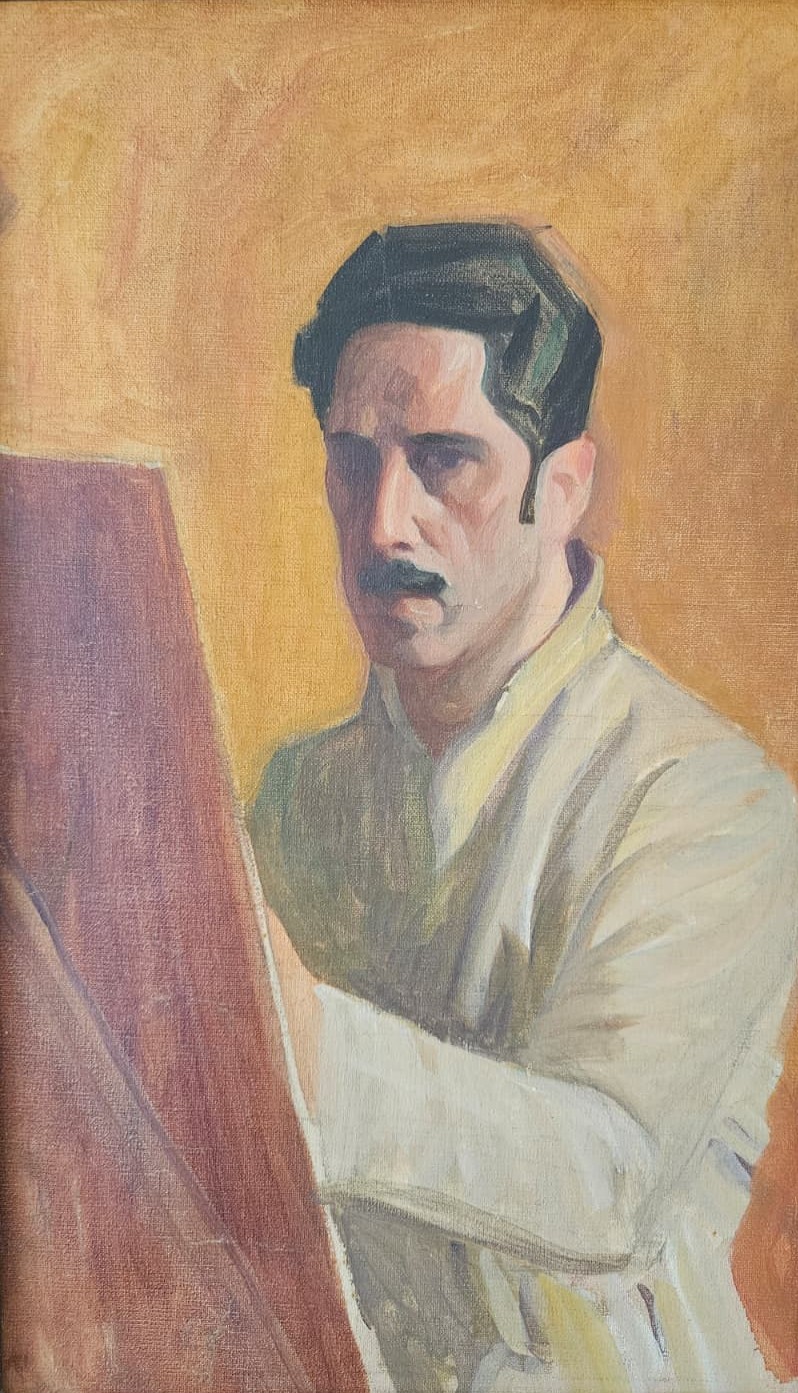
Autorretrato