 EN
 Español
Rita Longa
About the Artist
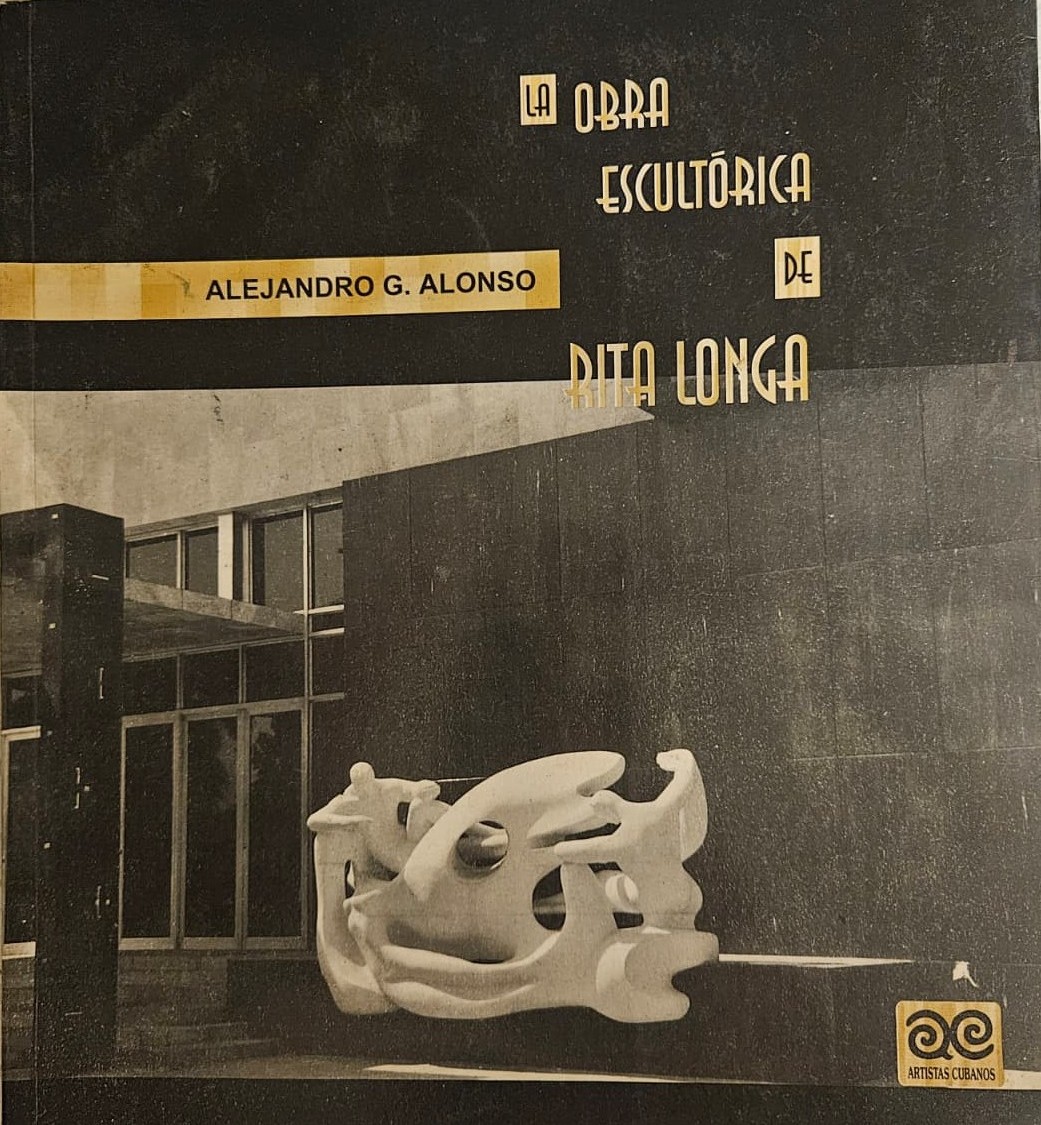
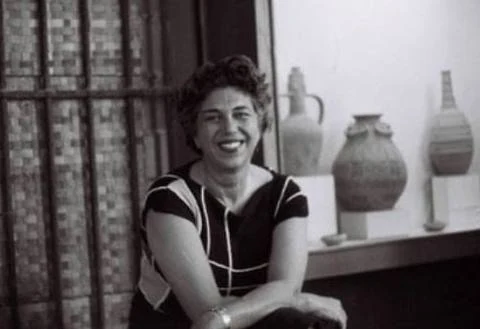
On June 14, 1912, Rita María Longa Aróstegui was born in Havana, the most fruitful and recognized of the Cuban and, probably, Latin American sculptors. In 1928, once he finished high school, he entered the San Alejandro Academy of Fine Arts, where he received classes from the master sculptor Juan José Sicre for two years. Immediately afterwards, in 1930, he began taking lessons from the sculptor Isabel Chapotín at the Lyceum of Havana. Restless, sensitive and daring in her aesthetic projection, the young Rita personified the renewing character of the artistic avant-garde of the 20th century in sculptural production. More self-taught than academic, he was interested in experimenting with figures and forms, revealing an exquisite technique and a lot of imagination. His style was unique, noticeable in the diversity of materials with which he worked, mainly marble, wood, bronze and, occasionally, plaster. His creations can today be appreciated in the National Museum of Fine Arts, but also in parks, cemeteries and enclaves of tourist interest.
Gallery
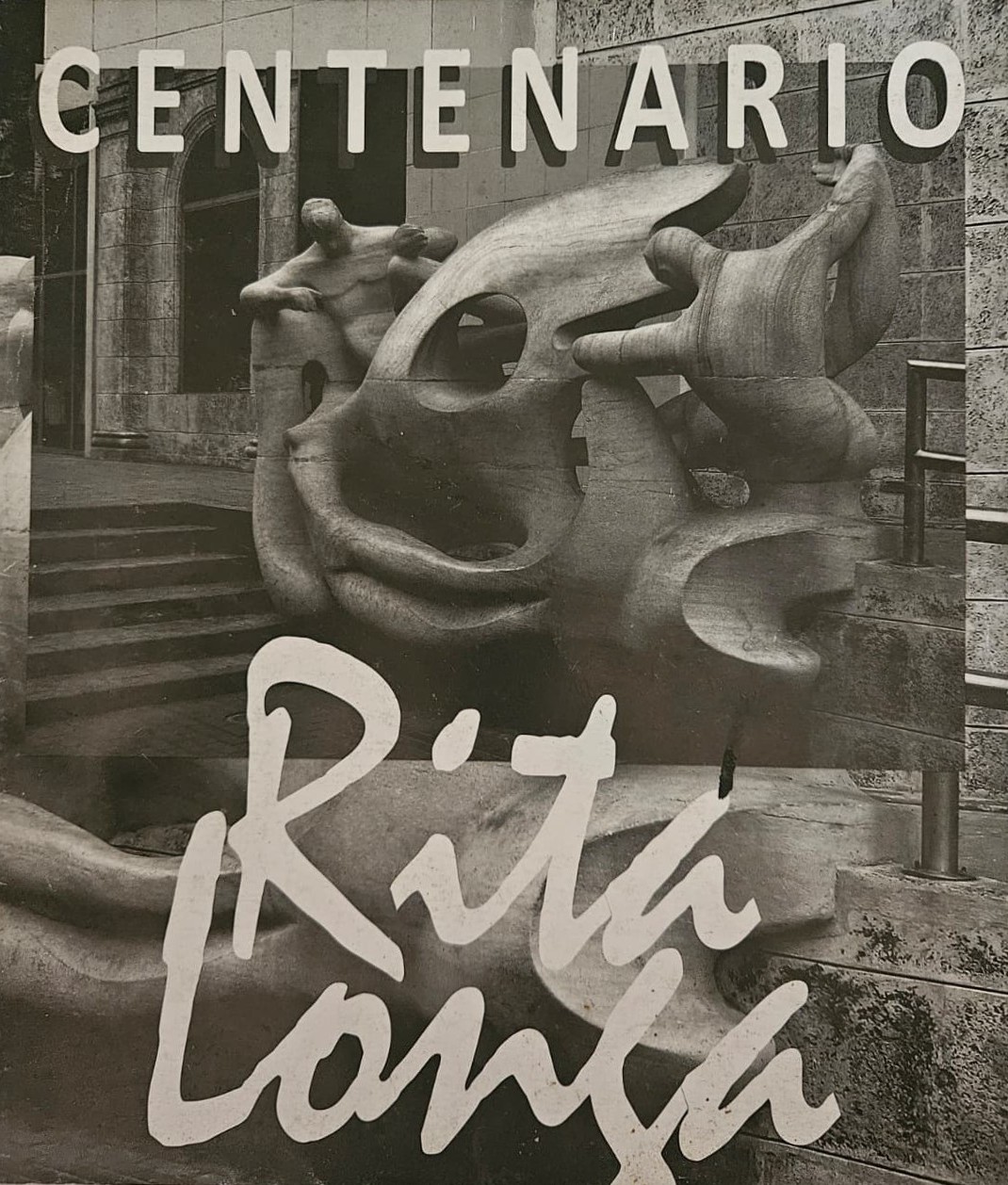
Centenario Rita Longa